Road Transport & Fleet Applications
Measure fuel against the work your vehicles complete. Freight, passenger services, deliveries and paid kilometres each need a suitable product and a fair operating comparison.
Begin with the vehicle and its duty
A freight vehicle, city bus and delivery motorcycle face different loads, stops and idle time. Group similar vehicles and keep individual records before drawing conclusions about the fleet.
FCS-27 is the diesel product and FCS-28 is the gasoline product. Confirm the actual fuel and equipment before discussing compatibility and treatment.
Choose a measure that reflects the service
Useful output gives the fuel figure meaning. A lower fuel bill during a quieter week needs to be read alongside the amount of work completed.
- Road freight: litres per 100 km alongside route, payload and completed transport work.
- Buses and passenger services: fuel per matched route or service period, with loading and operating conditions.
- Delivery vehicles: fuel and net cost per route, delivery or vehicle-day.
- Owner-operated vehicles: fuel and net cost per paid kilometre or completed job.
Make the comparison repeatable
Agree the vehicles, baseline, fuel supply, measurement method, treatment protocol and review criteria before testing. Record routes, distances, loads, drivers or shifts, idle time, maintenance and refuelling method where relevant.
Keep product batch, dose and blending records. Log changes in traffic, weather, routes and vehicle condition to help explain the results. Agree the comparison period and any conditioning stage as part of the protocol.
Use the road records as references
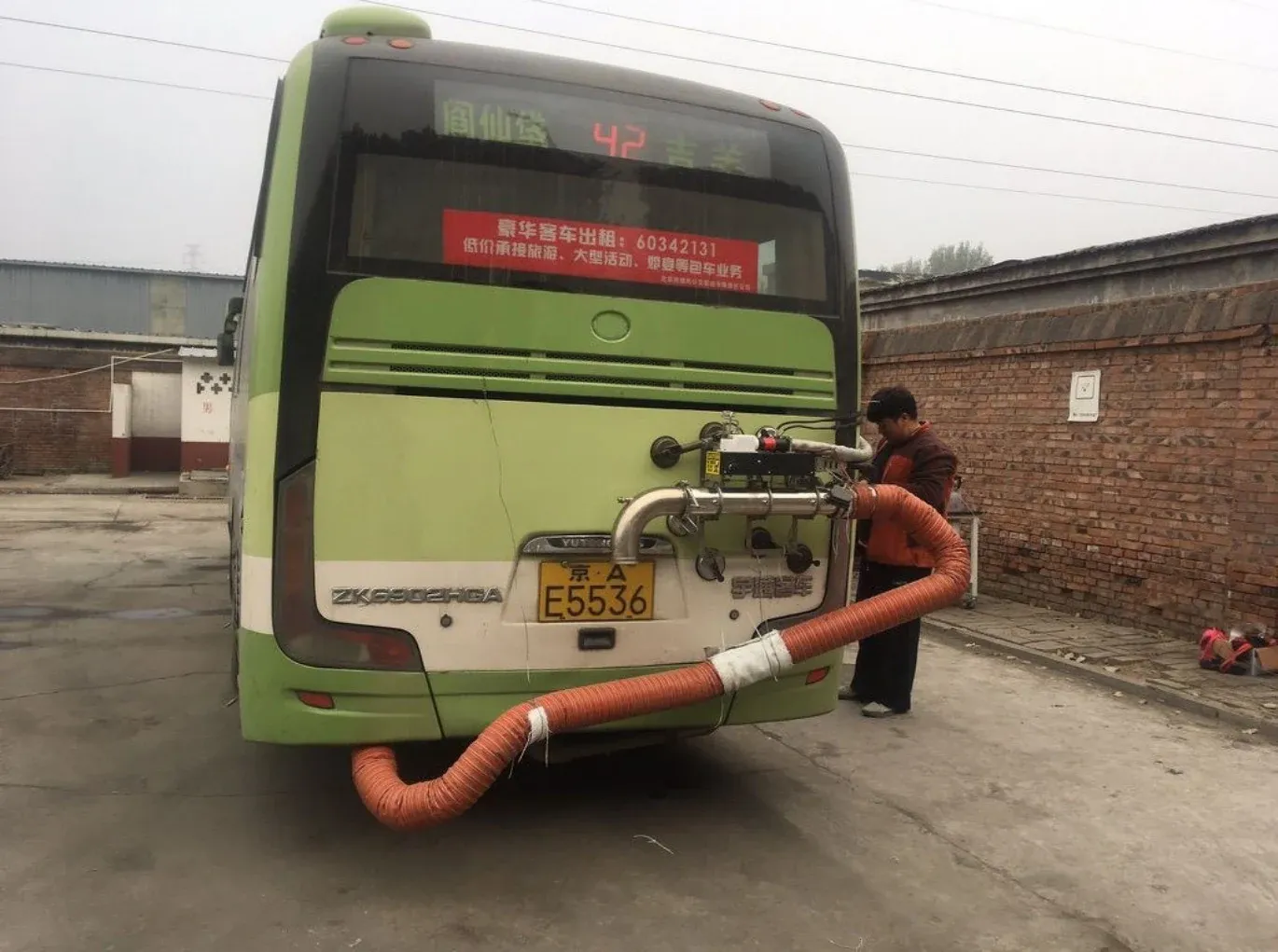
The Beijing diesel-bus record reports a baseline of 16.28 L/100 km and a treated value of 13.91 L/100 km, alongside exhaust indicators measured with SEMTECH ECOSTAR equipment. The source-reported percentages remain attached to that comparison.
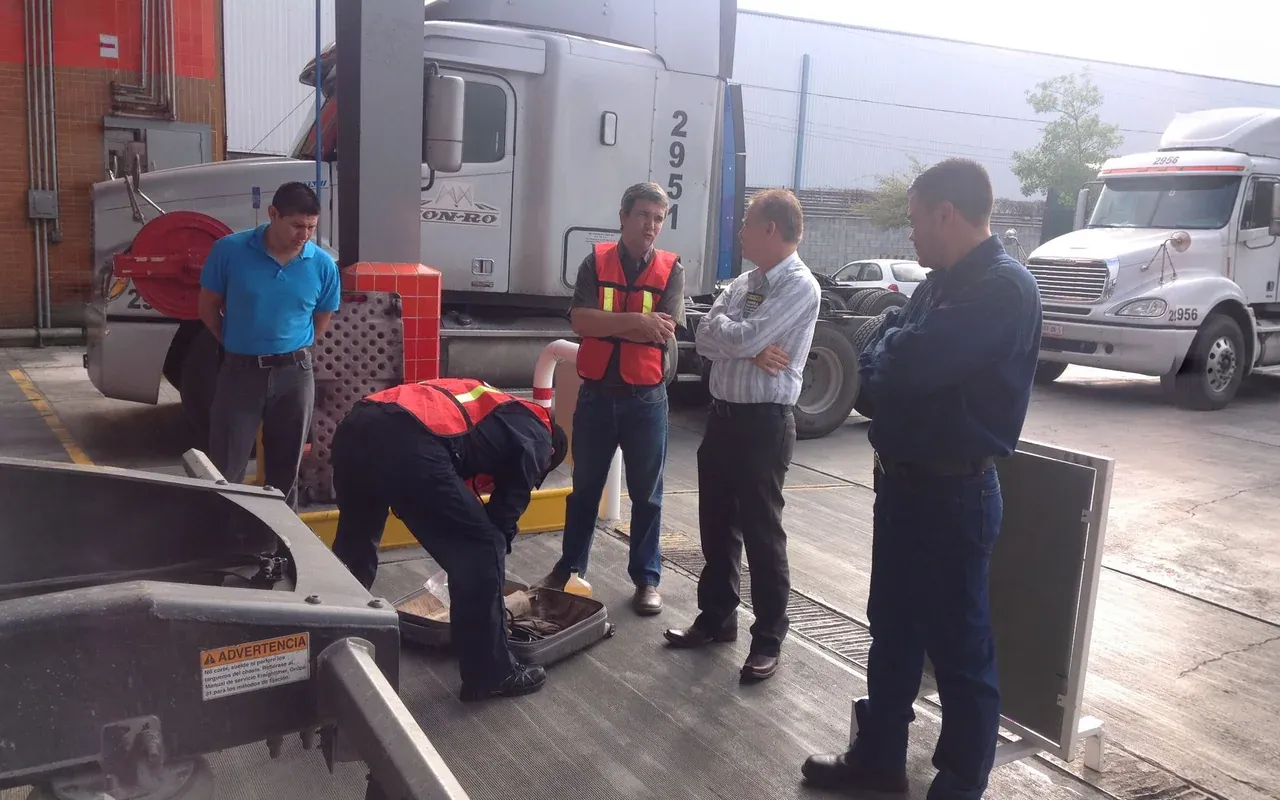
The broader library includes historical truck and fleet records from several markets. Request the source, fuel, equipment, method and treatment identity relevant to your fleet. A result for one vehicle or route needs local qualification before wider use.
Assess the value of equivalent work
Calculate fuel cost for comparable completed work, then include treatment and implementation costs. Where the operator is paid per trip or delivery, record who receives any net saving. Maintenance and uptime claims need separate observation.
To begin, share fleet size, representative vehicles, fuel type, typical routes, loading and the records already available. This supports a practical discussion of pilot scope and measurement.
Discuss a fleet evaluation
Share the application, operating context and technical question with CM.
Source material: CM Technologies 2026; CM Field Tests in Practice; Energy for Dignity · Pakistan Programme (September 2026).