Technical Evaluation & Pilot Programme
Start a pilot with a clear operating question. Agree the fuel, product, comparison, measurement method and decision criteria before testing. Then assess repeatability and the value of doing equivalent work.
1. Define the application and decision
Describe the equipment, location, fuel supply and normal work. Decide what the operator needs to learn, such as fuel per matched route, litres per kWh or net cost per delivery.
Choose the relevant product: FCS-27 for diesel or FCS-28 for gasoline. Review fuel and equipment compatibility, current fuel treatment and available technical documents. Establish which organisation will operate the assets, supply treatment, record data and review the findings.
2. Agree the protocol before treatment
Pilot duration and the number of assets depend on the operating duty and method. A historical test’s dose or three-hour observation window does not automatically define a new trial.
- Equipment and fuel identity, product batch, treatment rate and blending procedure.
- Baseline and comparator, observation periods and any conditioning stage.
- Useful-output metric and the operating conditions to be matched or recorded.
- Fuel and output measurement methods, equipment and data responsibilities.
- Treatment and implementation costs, review criteria and adverse-event recording.
- Independent analysis or observation arrangements where included in the pilot.
3. Record baseline and treated operation
Record fuel use and useful work together. Keep raw logs, meter readings, fuel transfers, batch and dosing records. Note changes in load, routes, weather, maintenance or equipment condition that could affect the comparison.
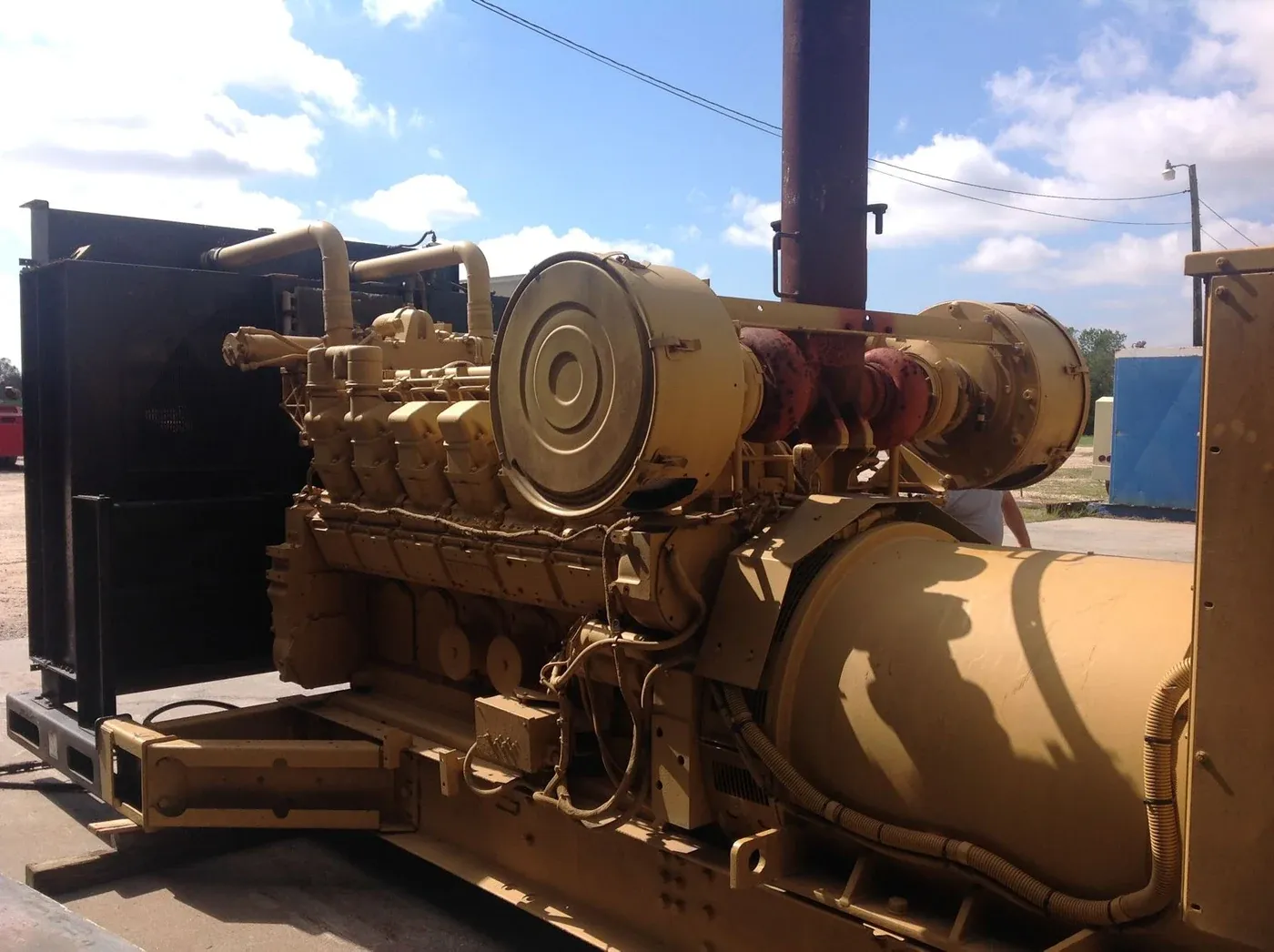
If several methods measure fuel use, retain each method’s result and explain its measurement boundary. The Houston CAT 3512 summary illustrates why different calculation routes from one test need to remain identifiable.
4. Review performance and net value
Compare equivalent useful output and check whether the result is repeatable. Identify measured observations, calculations and future scenarios clearly. Explain gaps in the records and changes in operating conditions.
Net value at equivalent output is the value of fuel avoided less treatment and implementation costs. Review customer acceptance and any adverse effects alongside the agreed performance criteria. Maintenance, equipment life, uptime and emissions need their own measurement plans.
5. Decide the next step
Use the findings to decide whether to run another comparison, expand the evaluation or discuss commercial use. Wider deployment needs the same attention to product identity, quality control, traceability and supported operating conditions.
To start the conversation, send the country and site, asset list, fuel specification, typical work pattern, available measurement and the decision you want the pilot to support. CM can discuss the proposed scope and the information still needed.
Common questions
Does a pilot promise a minimum fuel saving?
Agree the review criteria before testing. The purpose is to establish the result and net value for the defined application; historical results are references for their own conditions.
Do we need independent evaluation?
Define the analysis and observation responsibilities in the protocol. If independent evaluation is part of the project, agree the organisation, method and access to underlying records before the pilot begins.
Send an evaluation brief
Share the application, operating context and technical question with CM.
Source material: CM Technologies 2026; CM Field Tests in Practice; Pakistan · Proof to Scale.