Marine & Fishing Applications
For a working vessel, fuel costs affect the value of each voyage, catch or transport service. Assess treatment against that work, keeping records of the fuel, engine, voyage conditions and value retained by the operator and crew.
Start with the vessel and fuel
Fishing boats and other working vessels differ in engine type, fuel, voyage length and load. Start with the engine, fuel grade and time spent travelling or working.
FCS-27 is CM’s diesel product; gasoline-powered equipment belongs with FCS-28 guidance. Confirm the fuel specification, existing treatment, equipment and operating conditions before discussing compatibility. The scope of a proposed evaluation should identify the particular vessel and duty.
Keep a useful voyage record
Fuel per voyage, productive engine-hour or catch can each reveal part of the picture. Catch also depends on fishing conditions and effort, so a change in catch alone does not establish a treatment effect.
- Fuel loaded, fuel remaining and the agreed consumption measurement.
- Voyage duration, distance and engine-hours where recorded.
- Travelling, fishing or other productive operating periods.
- Catch or completed transport work, load and relevant voyage conditions.
- Treatment batch, dose, blending and any operational changes.
Plan a practical voyage comparison
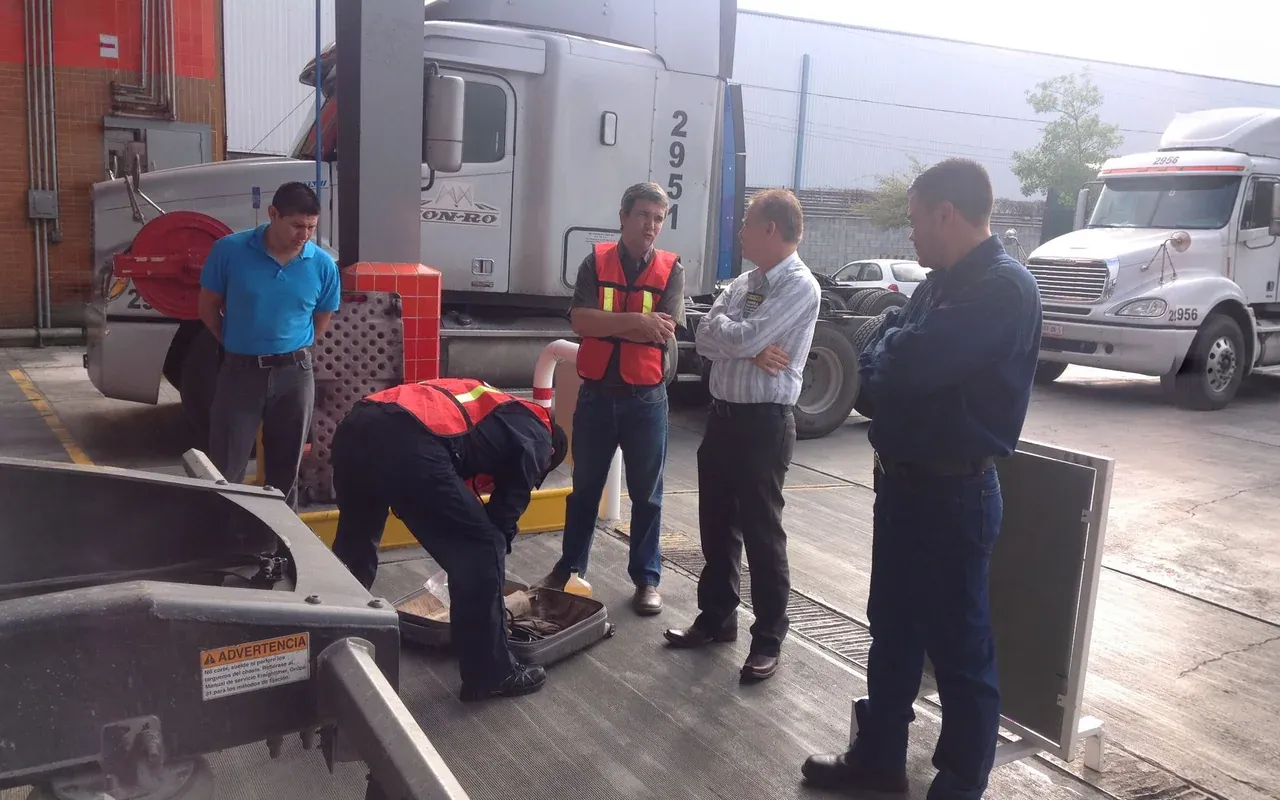
Choose a baseline and treated observation plan that reflects the vessel’s actual work. Keep the refuelling method and measurement boundaries consistent. Record changes in route, weather, sea conditions, load, engine condition and fishing effort that could affect interpretation.
Agree the treatment procedure, responsibilities and acceptance criteria before starting. Choose an evaluation period that captures enough of the vessel’s normal work to support a decision.
Measure the value reaching people
The proposed Pakistan Energy for Dignity programme includes fishermen and fuel-dependent livelihoods. Its question is whether operating value can remain with the people doing the work. Household or crew benefits would need to be established through programme measurement.
Record fuel expenditure, treatment and implementation costs, completed work and how any net value is shared between vessel owner, operator and crew. Keep maintenance, uptime and emissions outcomes attached to their own measurements.
Use evidence matched to the vessel
The published generator and diesel-bus summaries provide operating examples with defined methods. They do not establish a measured marine or fishing result. Request the technical material relevant to the intended fuel and engine, then define the local evidence needed.
To begin, share the vessel and engine details, fuel supply, voyage pattern, refuelling records and the main operating question. These details support a practical discussion of a vessel-specific pilot.
The link between industrial and marine engines
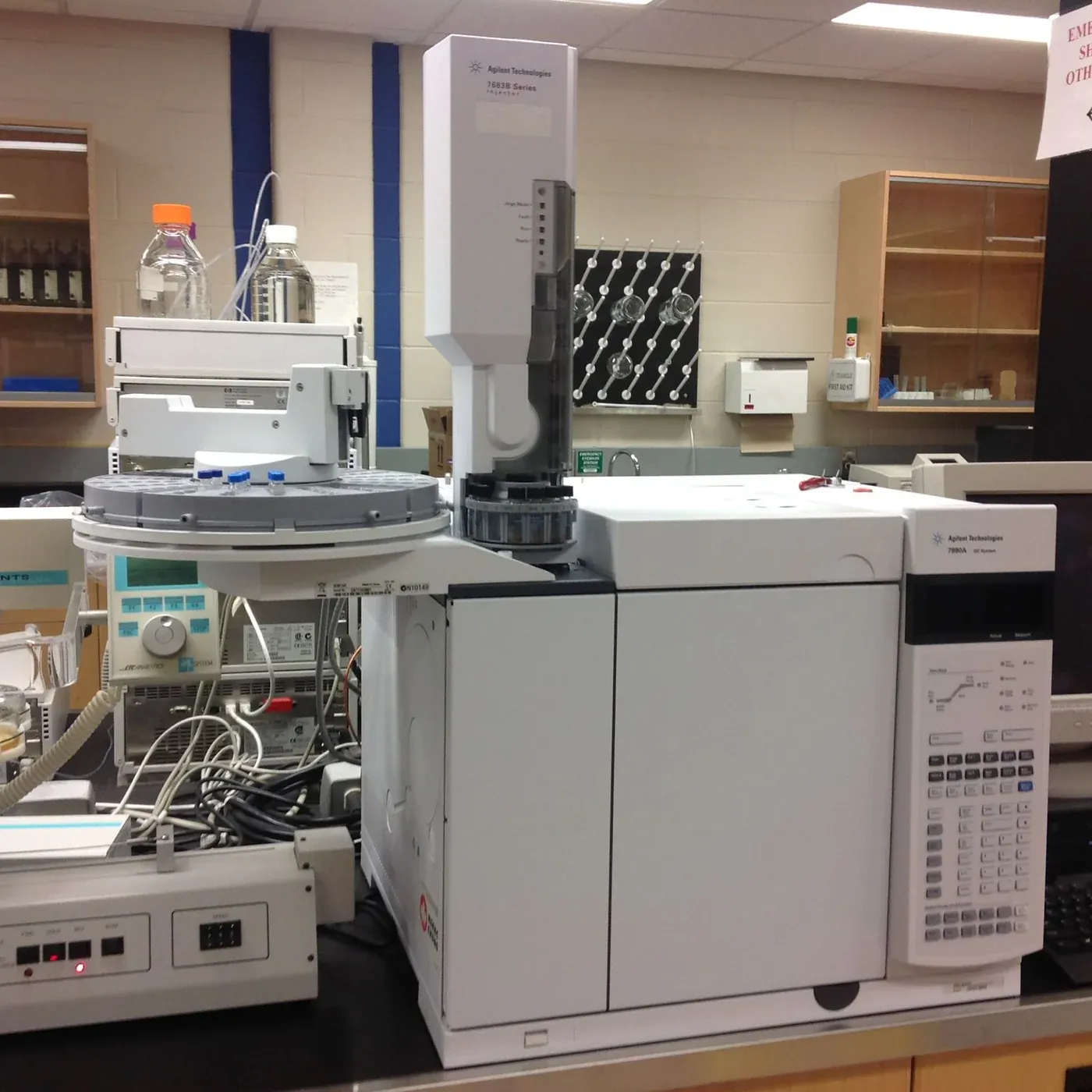
The Cat 3512 engine family includes commercial marine propulsion configurations used in workboats. CM’s Houston record concerns a CAT 3512 MUI generator rated at 1,000 kW and tested at a reported 80% load.
That test provides relevant engine-family experience when assessing a marine application. A vessel evaluation still uses the actual engine configuration, fuel specification, duty cycle and installation, with performance measured on the vessel.
Discuss a marine application
Share the application, operating context and technical question with CM.
Discuss a marine application →
Source material: CM Technologies 2026; Energy for Dignity · Pakistan Programme (September 2026); Pakistan · Proof to Scale.